Writing and Solving Inequalities in One Variable
Student Summary
Writing and solving inequalities can help us make sense of the constraints in a situation and solve problems. Let's look at an example.
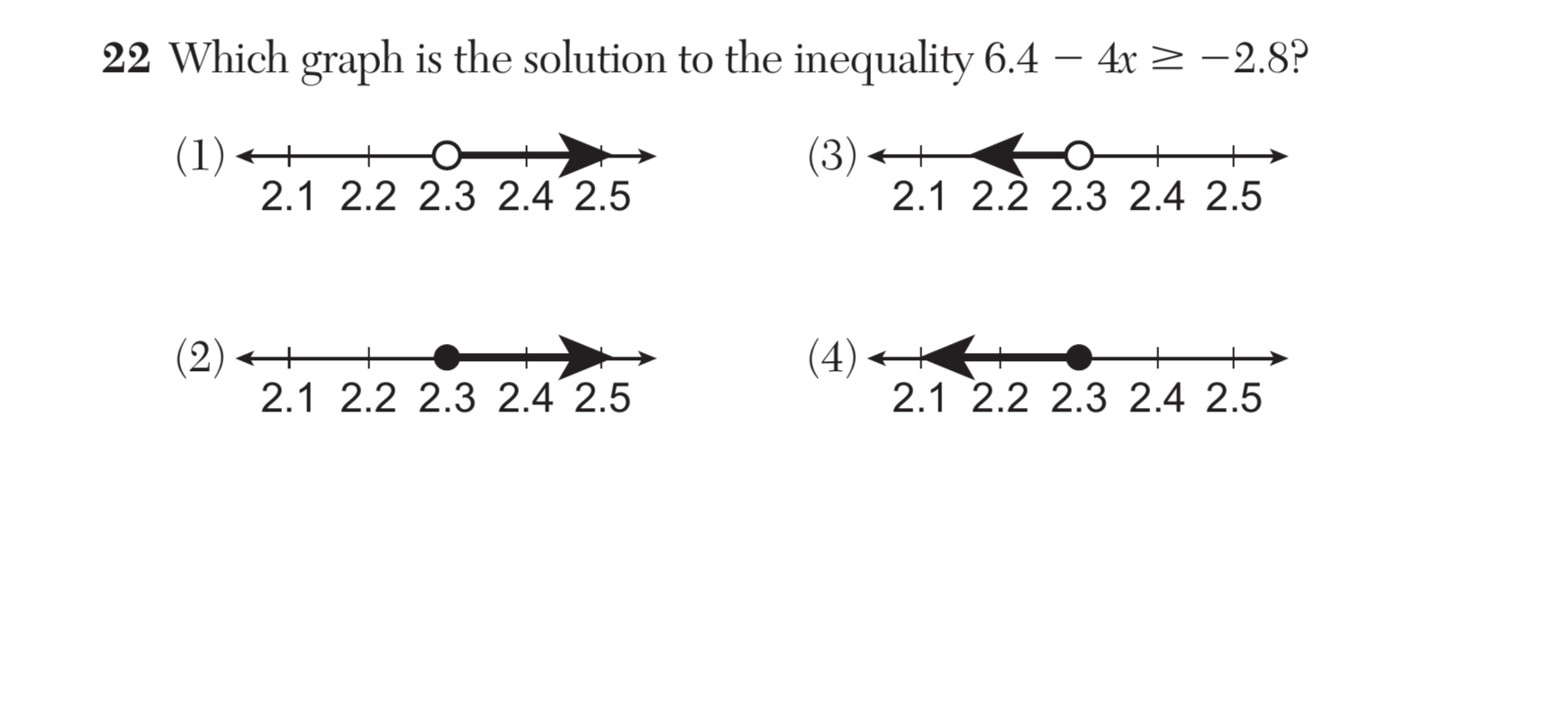
Clare would like to buy a video game system that costs $130 and to have some extra money for games. She has saved $48 so far and plans on saving $5 of her allowance each week. How many weeks, w, will it be until she has enough money to buy the system and have some extra money remaining? To represent the constraints, we can write 48+5w≥130. Let’s reason about the solutions:
- Because Clare has $48 already and needs to have at least $130 to afford the game system, she needs to save at least $82 more.
- If she saves $5 each week, it will take at least LATEX2 weeks to reach $82.
- 582 is 16.4. Any time shorter than 16.4 weeks won't allow her to save enough.
- Assuming she saves $5 at the end of each week (instead of saving smaller amounts throughout a week), it will be at least 17 weeks before she can afford the game system.
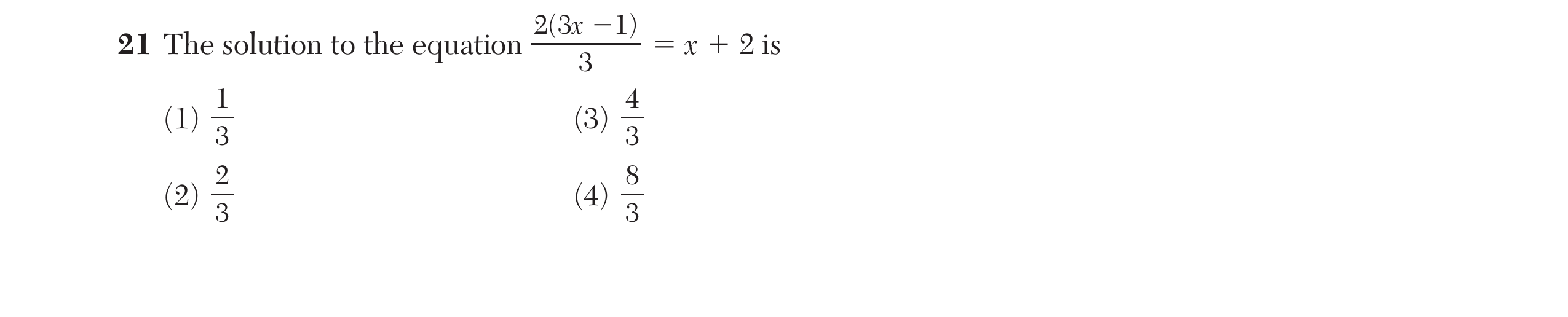
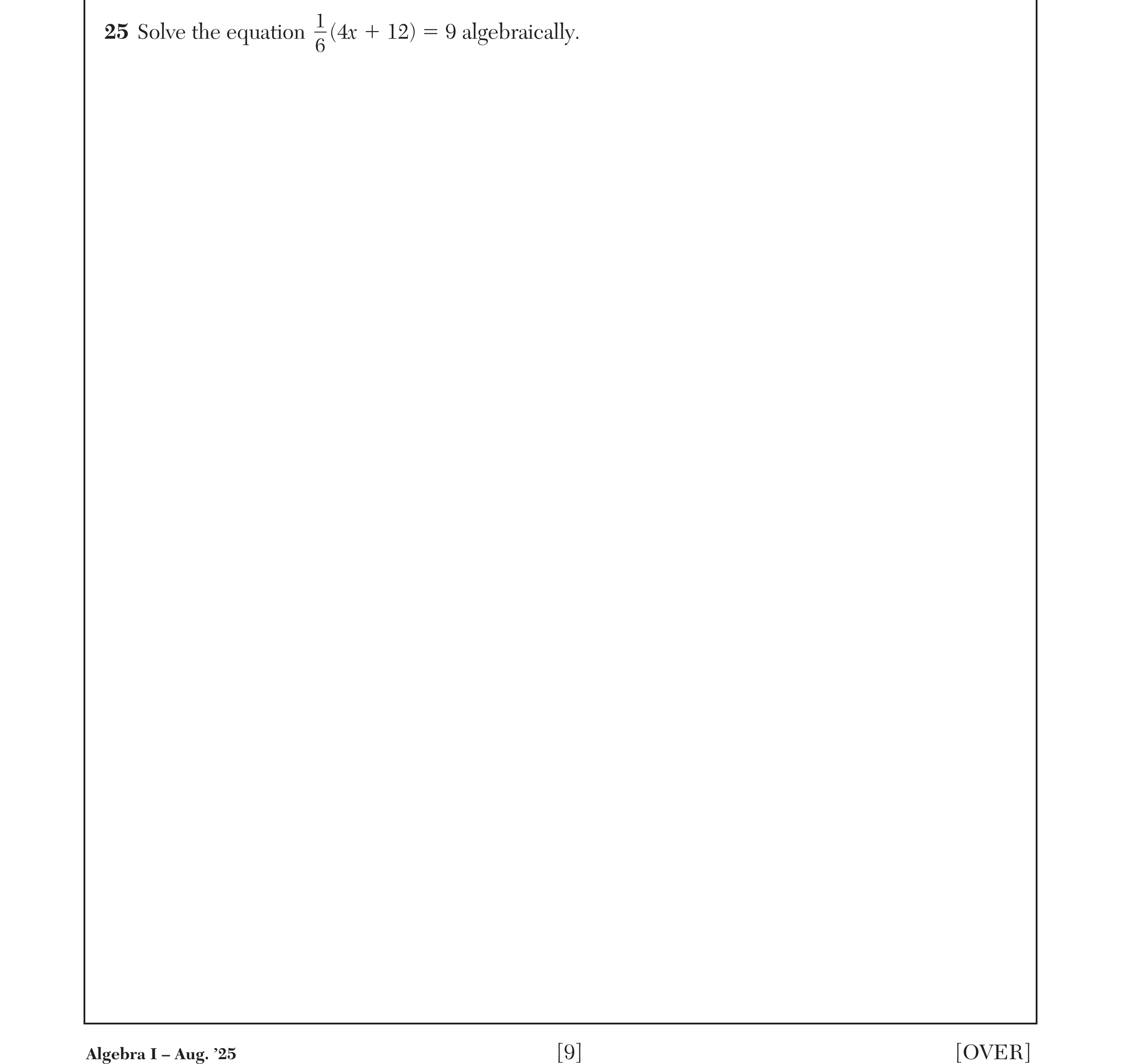
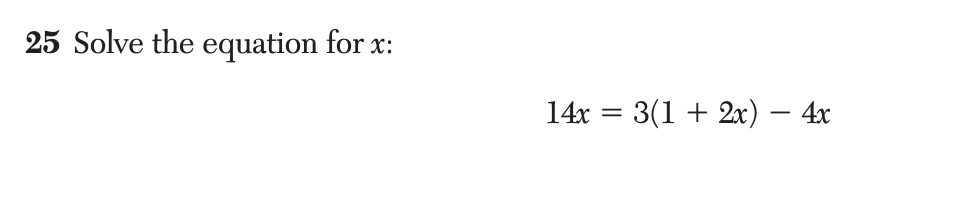
We can also solve by writing and solving a related equation to find the boundary value for w, and then determine whether the solutions are less than or greater than that value.
48+5w5www=130=82=582=16.4
- Substituting 16.4 for w in the original inequality gives a true statement. (When w=16.4, we get 130≥130.)
- Substituting a value greater than 16.4 for w also gives a true statement. (When w=17, we get 133≥130.)
- Substituting a value less than 16.4 for w gives a false statement. (When w=16, we get 128≥130.)
- The solution set is therefore w≥16.4.
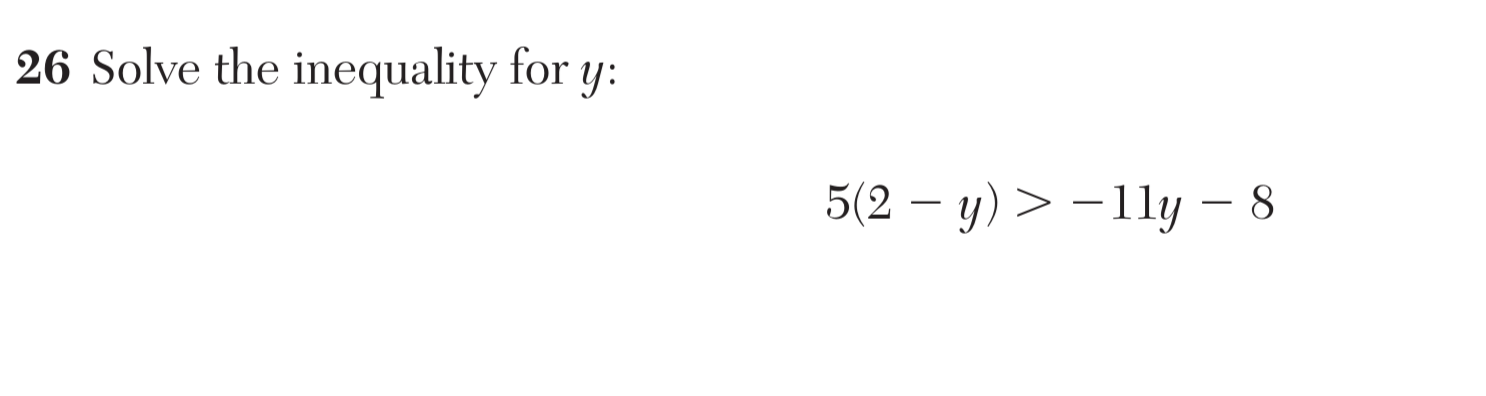
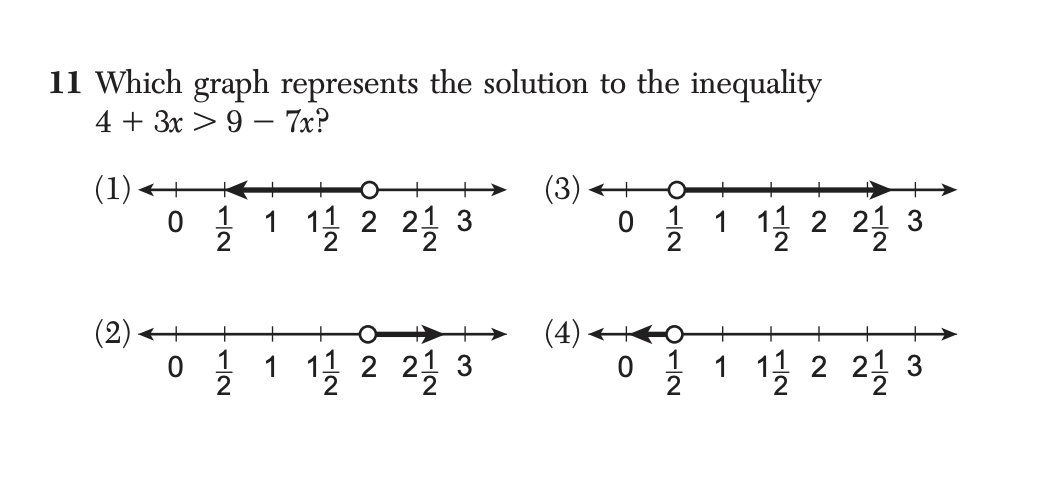
Sometimes the structure of an inequality can help us see whether the solutions are less than or greater than a boundary value. For example, to find the solutions to 3x>8x, we can solve the equation 3x=8x, which gives us x=0. Then, instead of testing values on either side of 0, we could reason as follows about the inequality:
- If x is a positive value, then 3x would be less than 8x.
- For 3x to be greater than 8x, x must include negative values.
- For the solutions to include negative values, they must be less than 0, so the solution set would be x<0.
Visual / Anchor Chart

Standards
A-CED.16 questions
Create equations and inequalities in one variable to represent a real-world context.
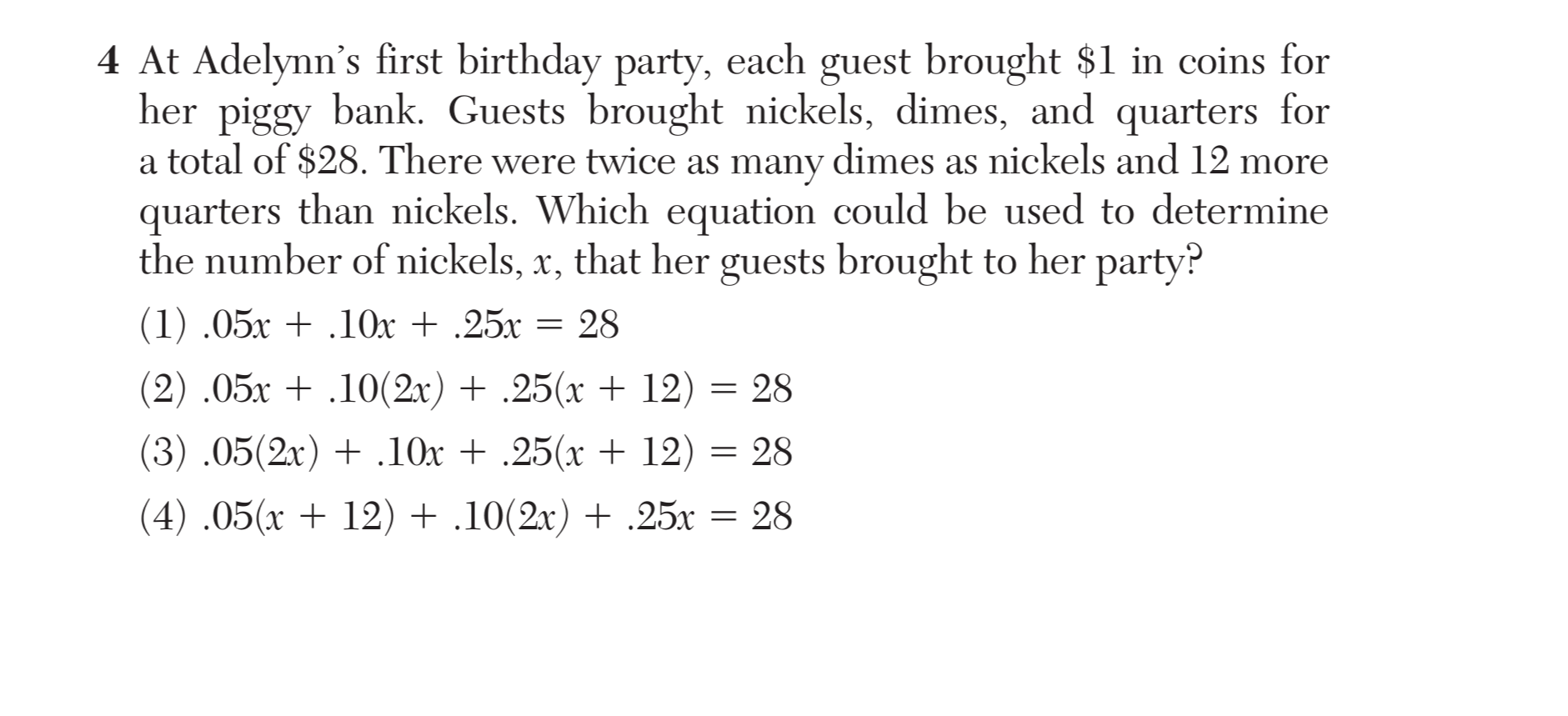
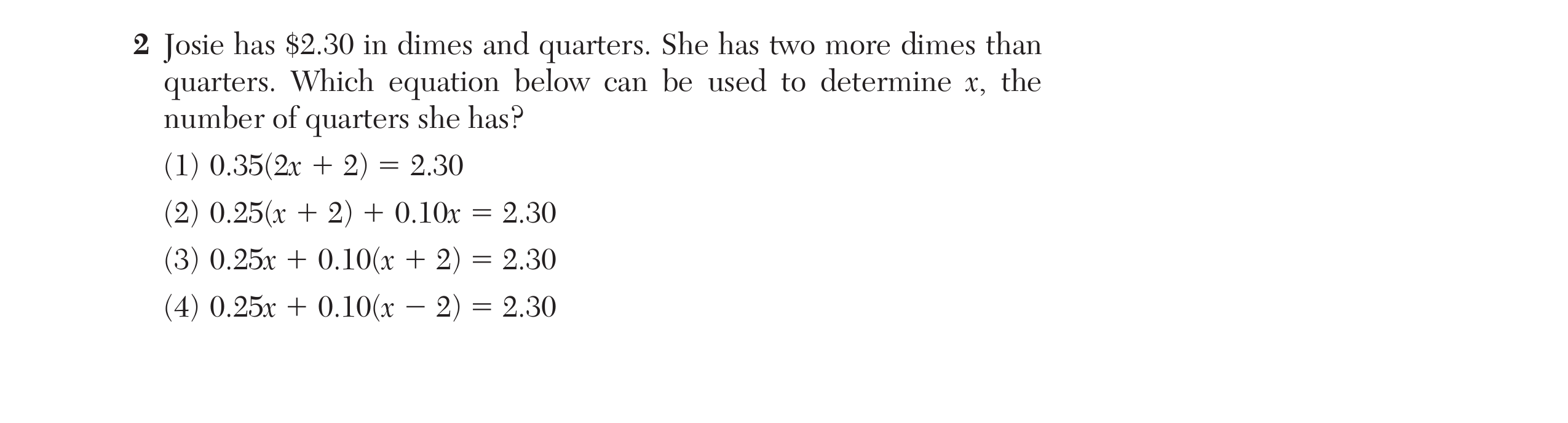
A-CED.36 questions
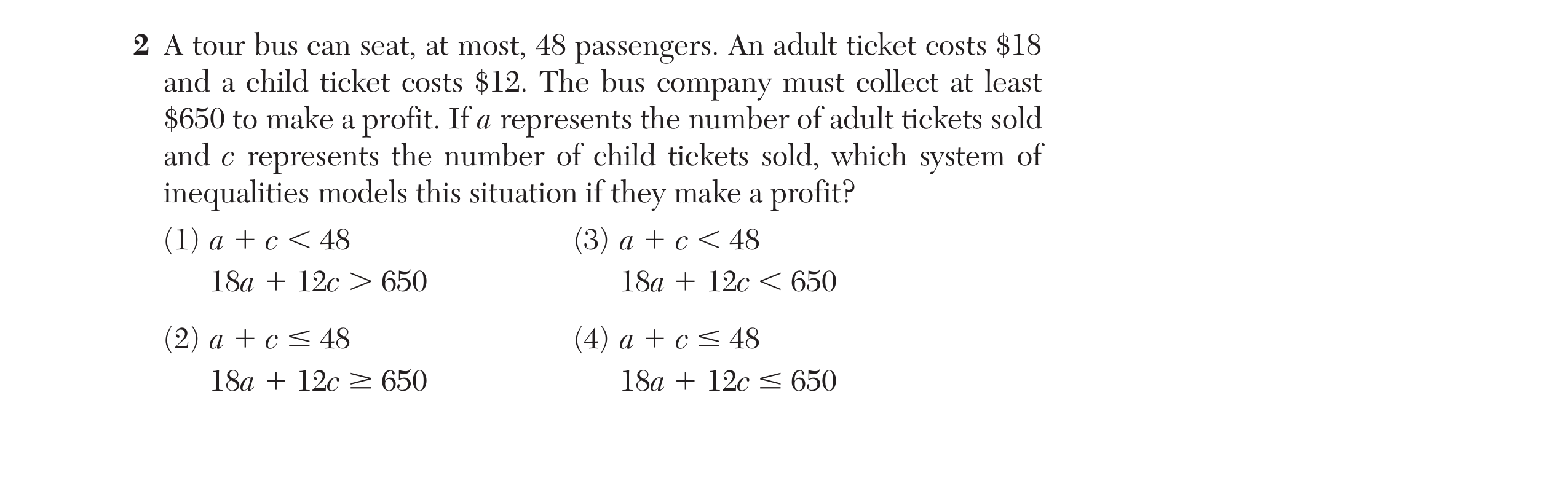
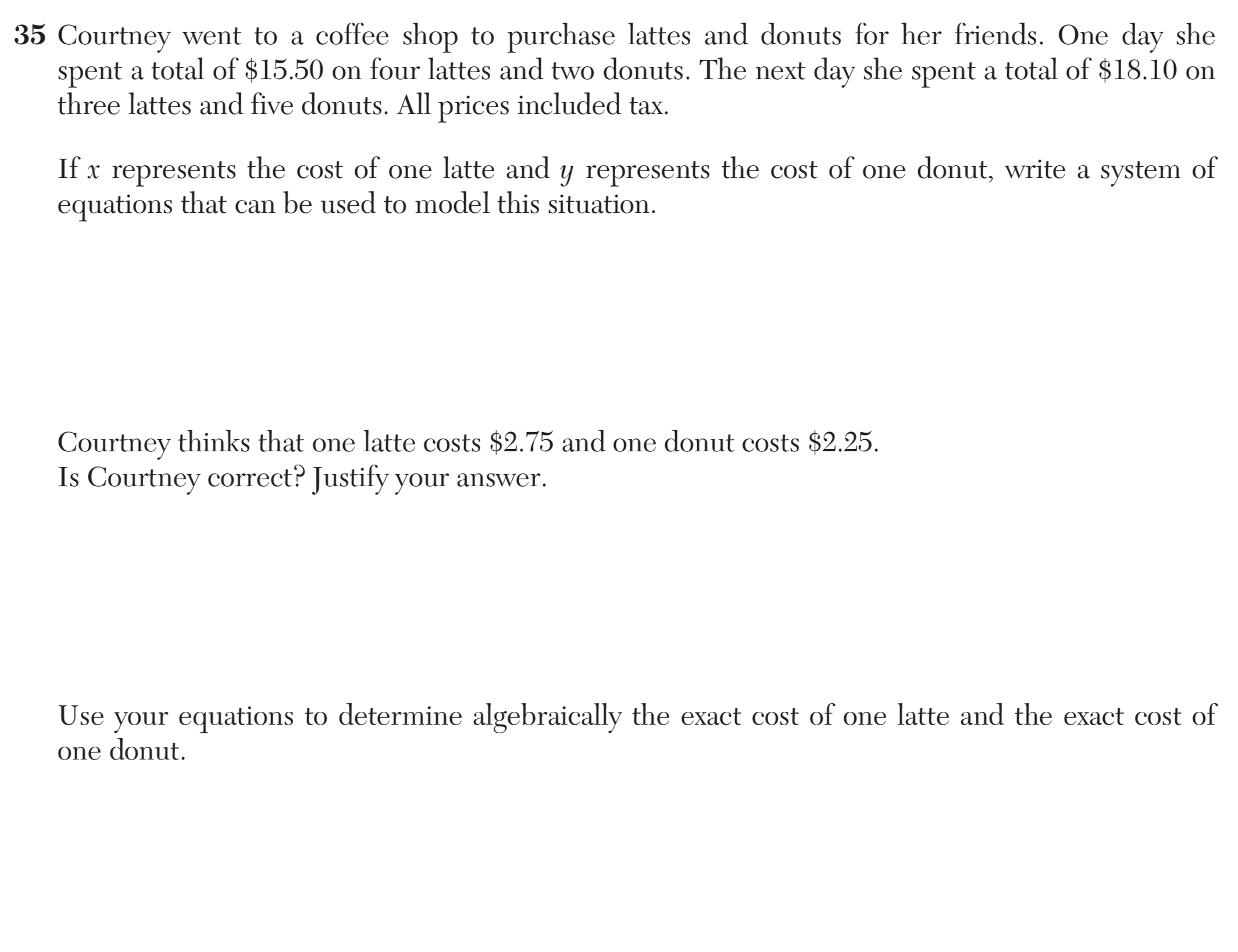
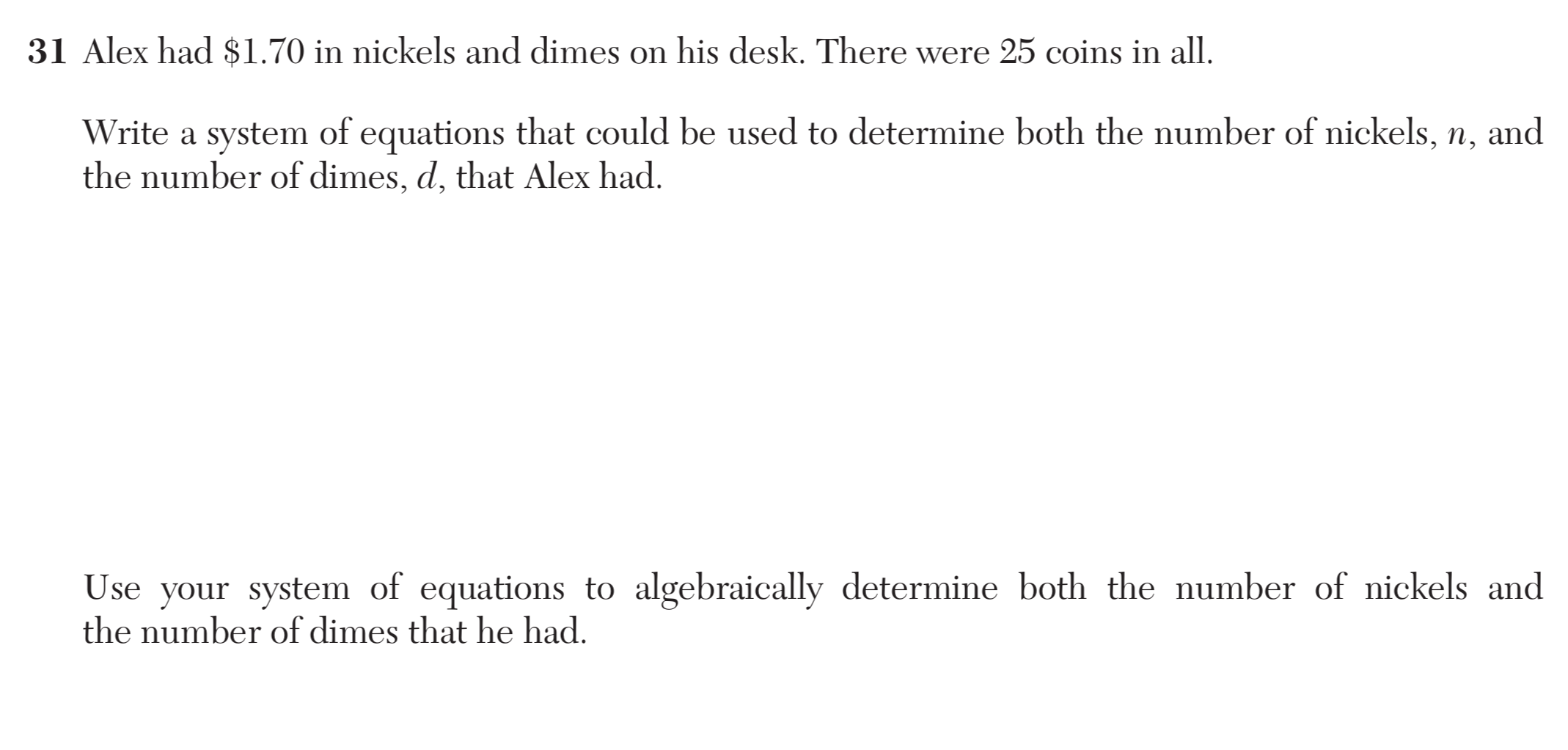
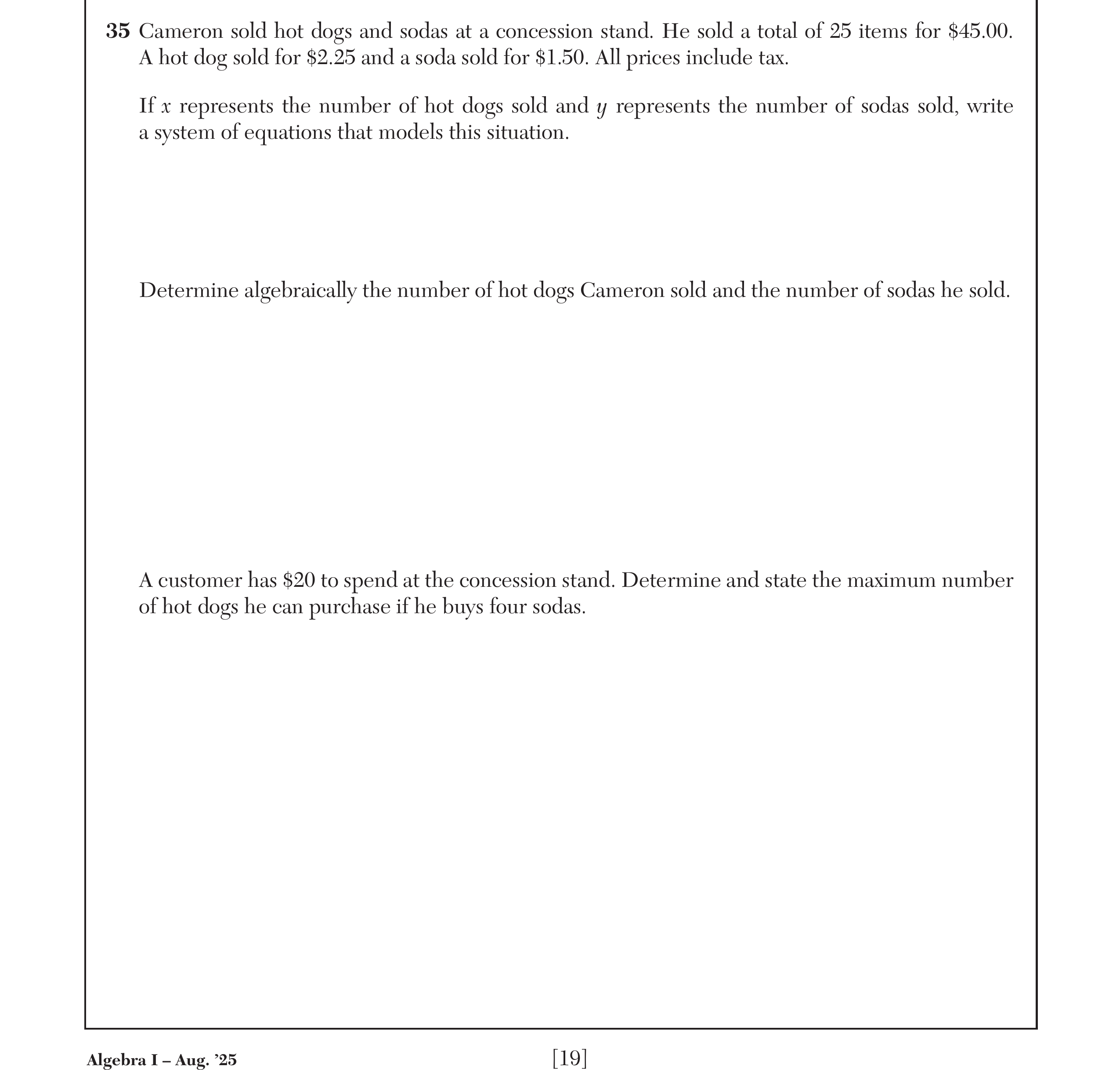
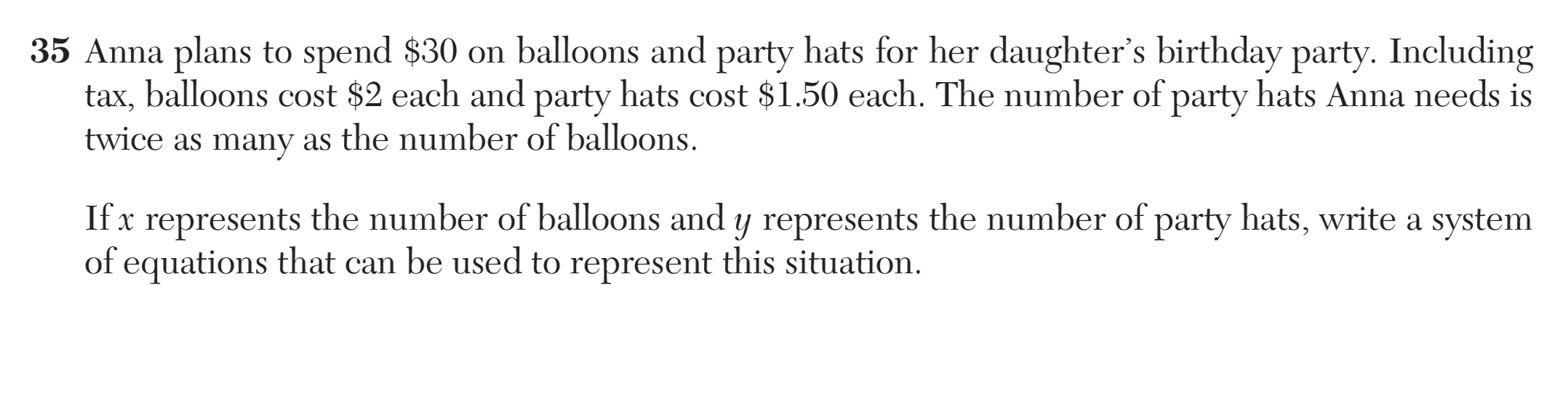
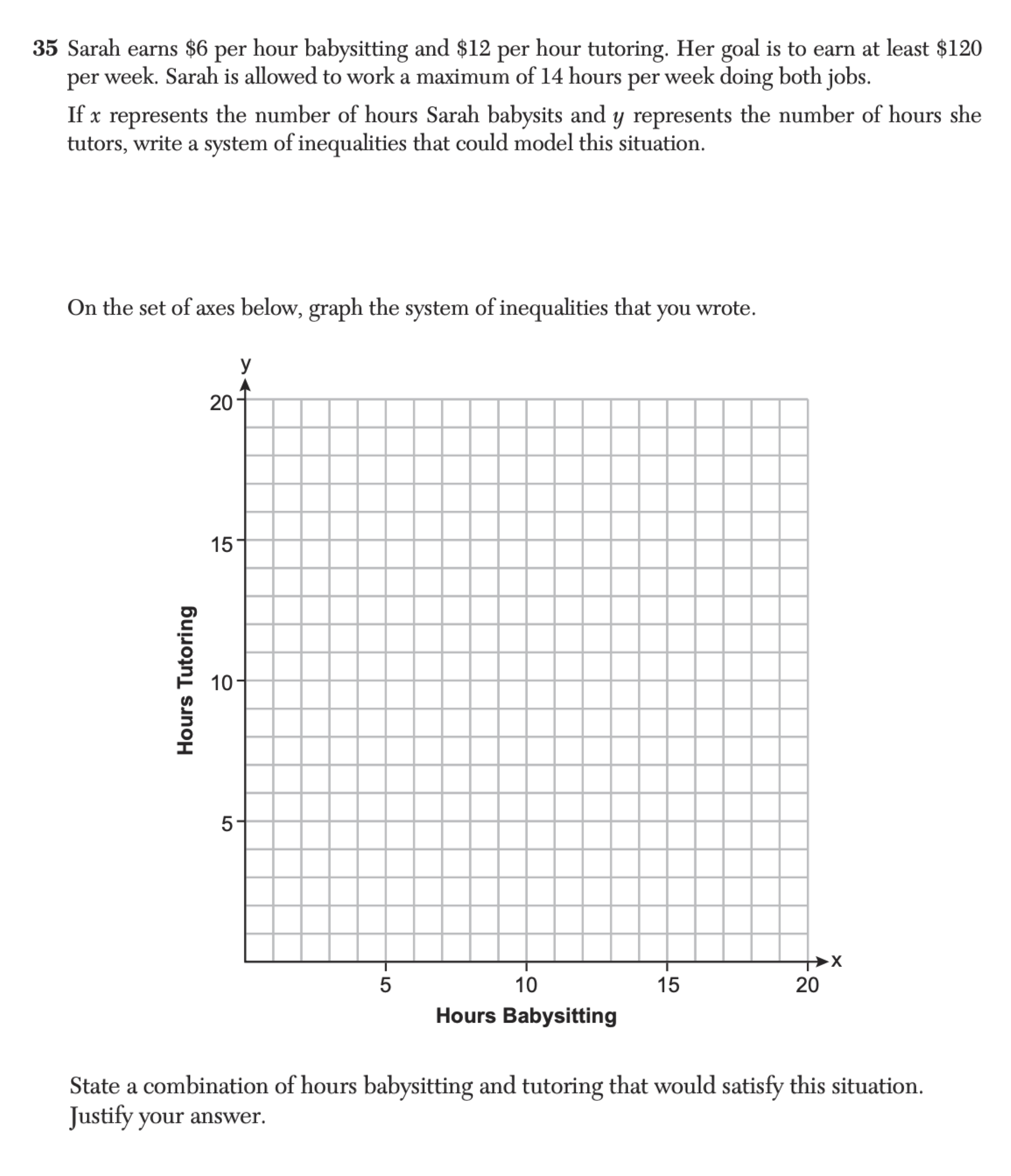
Represent constraints by equations or inequalities, and by systems of equations and/or inequalities, and interpret solutions as viable or non-viable options in a modeling context.
A-REI.312 questions
Solve linear equations and inequalities in one variable, including equations with coefficients represented by letters.