Functions Involving Percent Change
Student Summary
When we borrow money from a lender, the lender usually charges interest, a percentage of the borrowed amount as payment for allowing us to use the money. The interest is usually calculated at a regular interval of time (for example, daily, monthly, or yearly).
Suppose you received a loan of $500 and the interest rate is 15%, calculated at the end of each year. If you make no other purchases or payments, the amount owed after one year would be 500+(0.15)⋅500, or 500⋅(1+0.15). If you continue to make no payments or other purchases in the second year, the amount owed would increase by another 15%. The table shows the calculation of the amount owed for the first three years.
| time in years | amount owed in dollars |
|---|---|
| 1 | 500⋅(1+0.15) |
| 2 | 500⋅(1+0.15)(1+0.15), or 500⋅(1+0.15)2 |
| 3 | 500⋅(1+0.15)(1+0.15)(1+0.15), or 500⋅(1+0.15)3 |
The pattern here continues. Each additional year means multiplication by another factor of (1+0.15). With no further purchases or payments, after t years the debt in dollars is given by the expression:
500⋅(1+0.15)t
In this representation, we might leave the growth factor as (1+0.15) rather than combining it to 1.15 so that the percentage increase is easier to see. In other situations, it may make sense to write it as 1.15, depending on what is being emphasized. Because exponential functions eventually grow very quickly, leaving a debt unpaid can be very costly.
Visual / Anchor Chart

Standards
7.EE.3
Solve multi-step real-world and mathematical problems posed with positive and negative rational numbers in any form (whole numbers, fractions, and decimals), using tools strategically. Apply properties of operations to calculate with numbers in any form; convert between forms as appropriate. Assess the reasonableness of answers using mental computation and estimation strategies.
F-BF.1.a
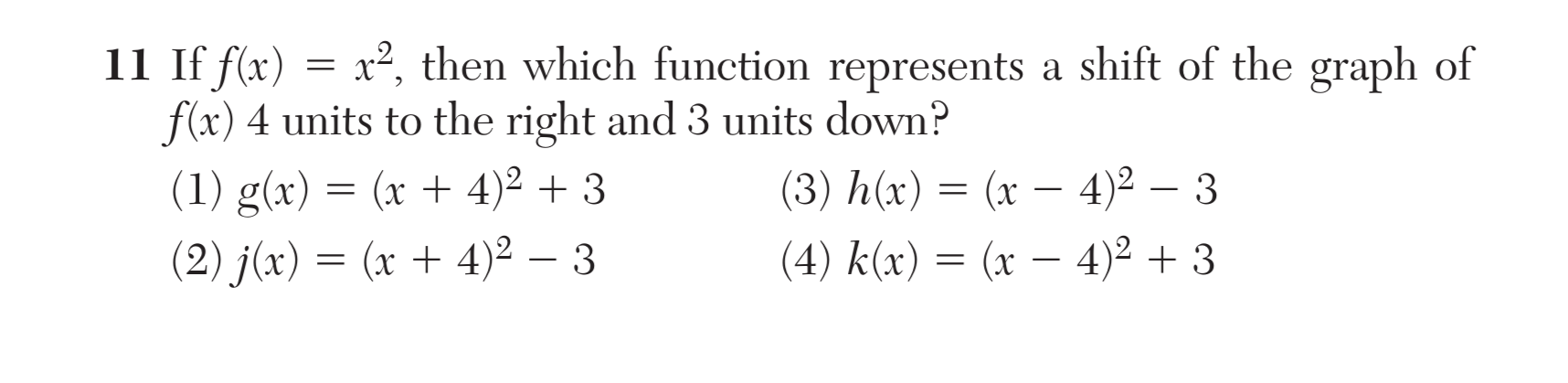
Write a function that describes a relationship between two quantities.
F-BF.11 question
Write a function that describes a relationship between two quantities.
F-IF.7.e
Graph functions and show key features of the graph by hand and by using technology where appropriate.
F-LE.21 question
F-IF.65 questions
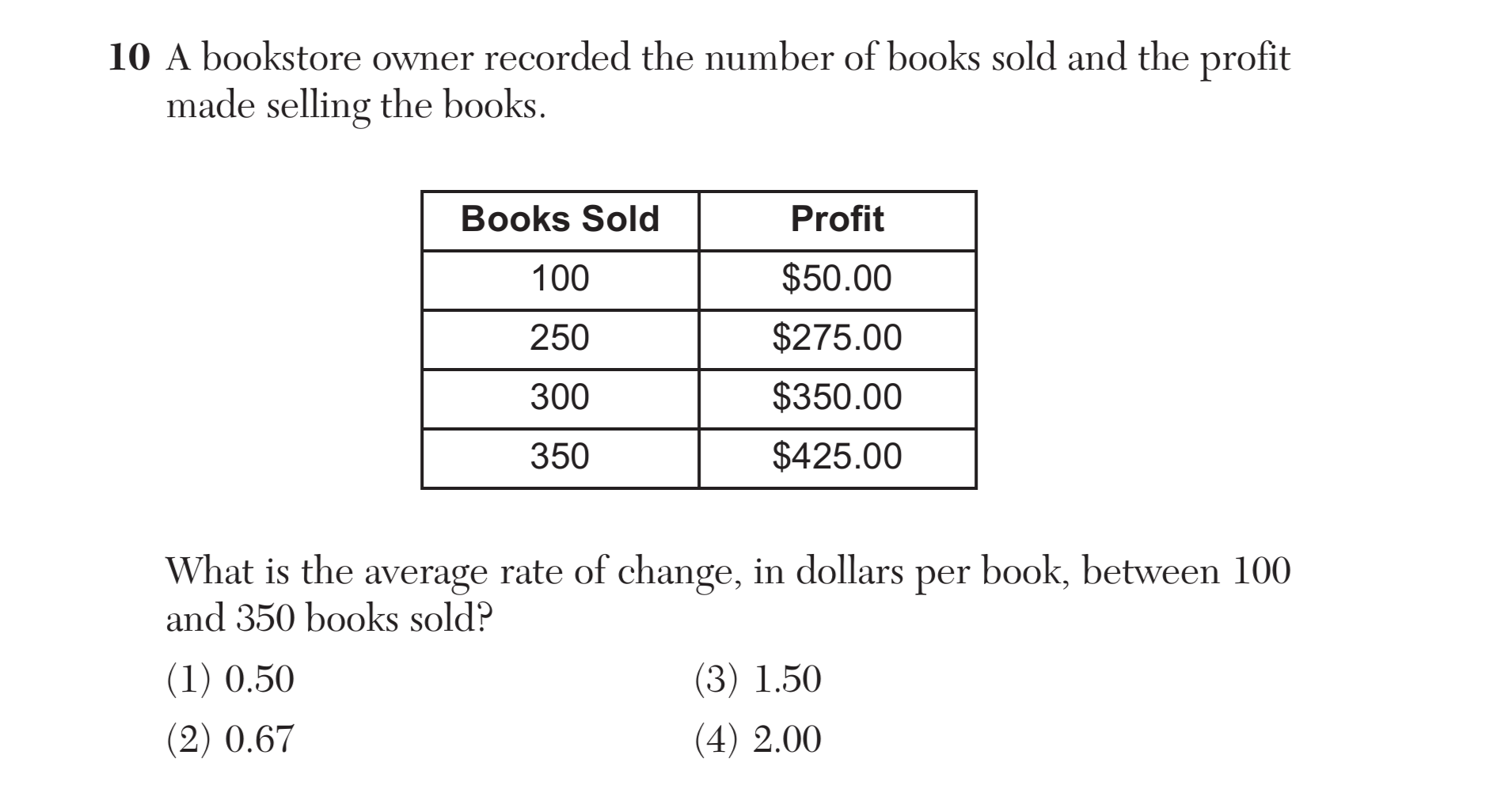
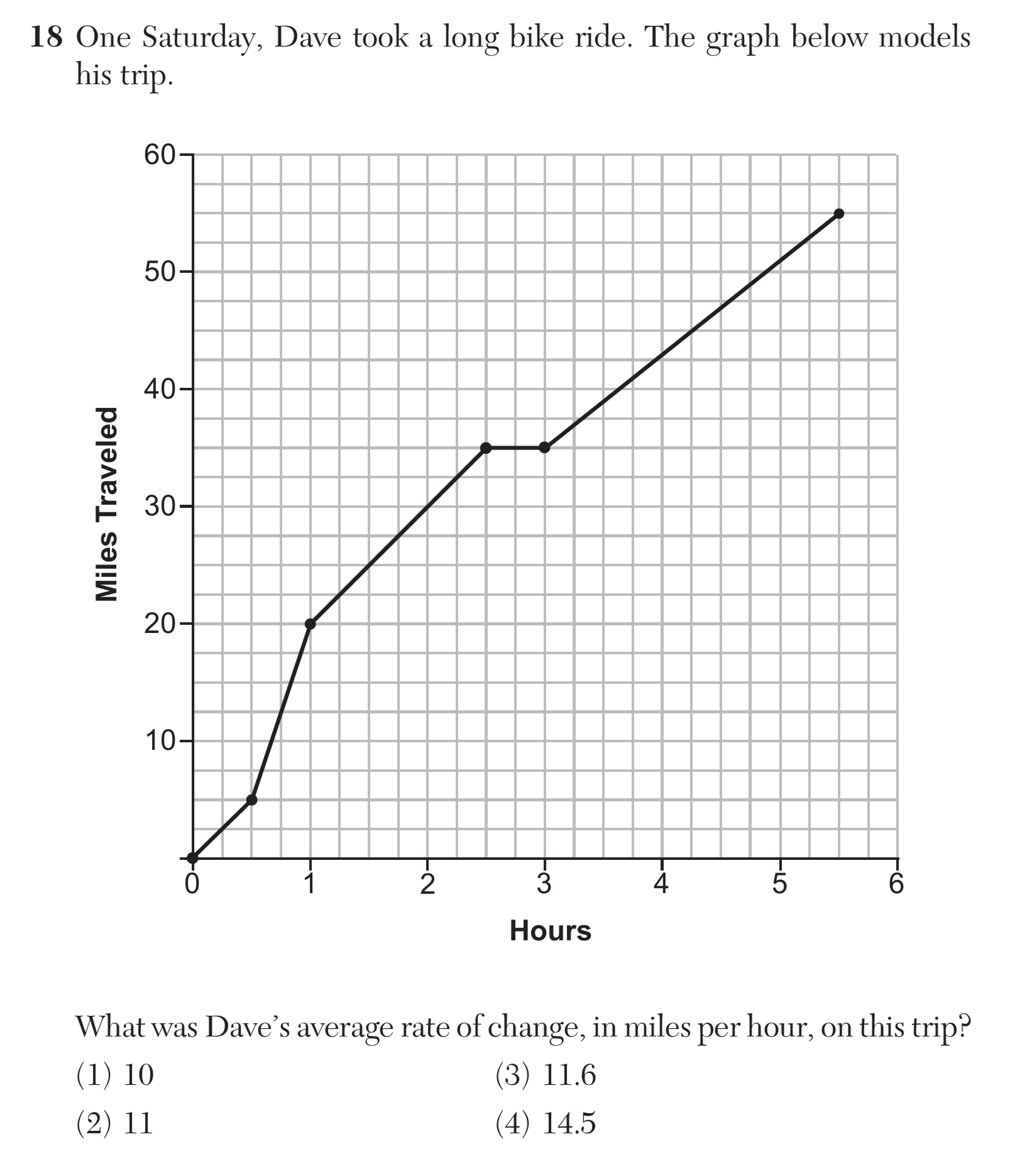
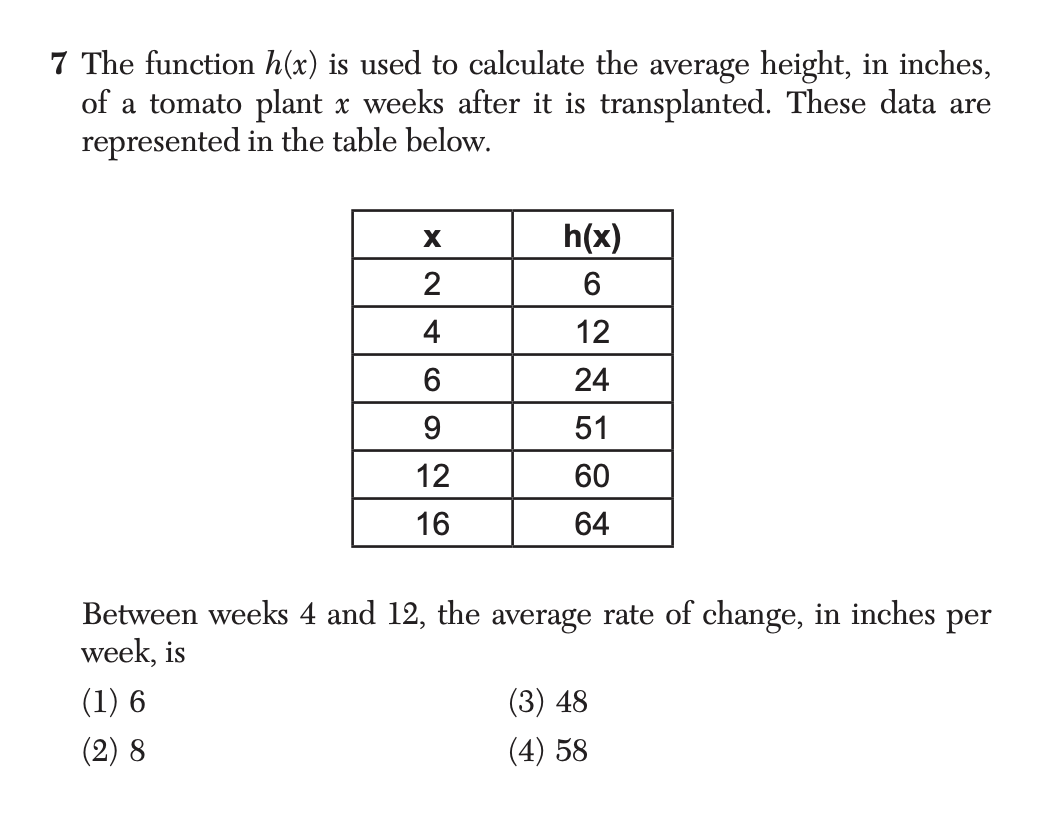
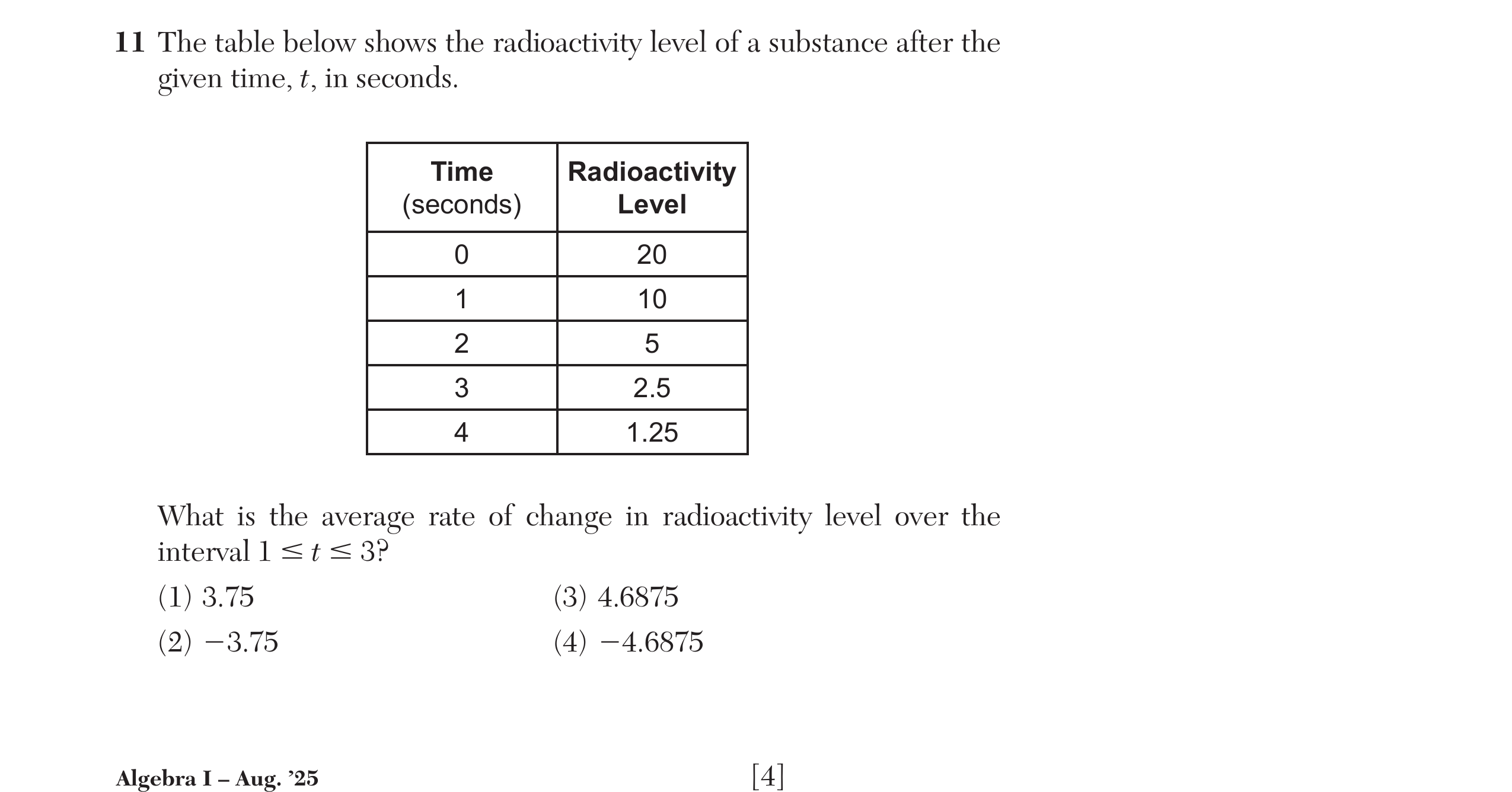
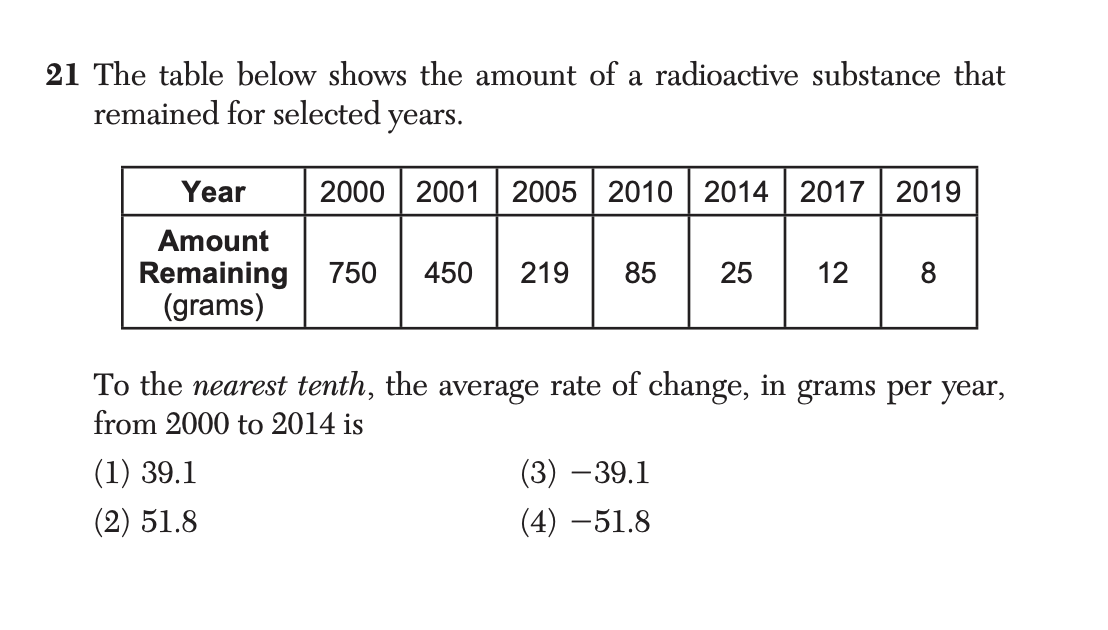
Calculate and interpret the average rate of change of a function over a specified interval.
F-LE.21 question